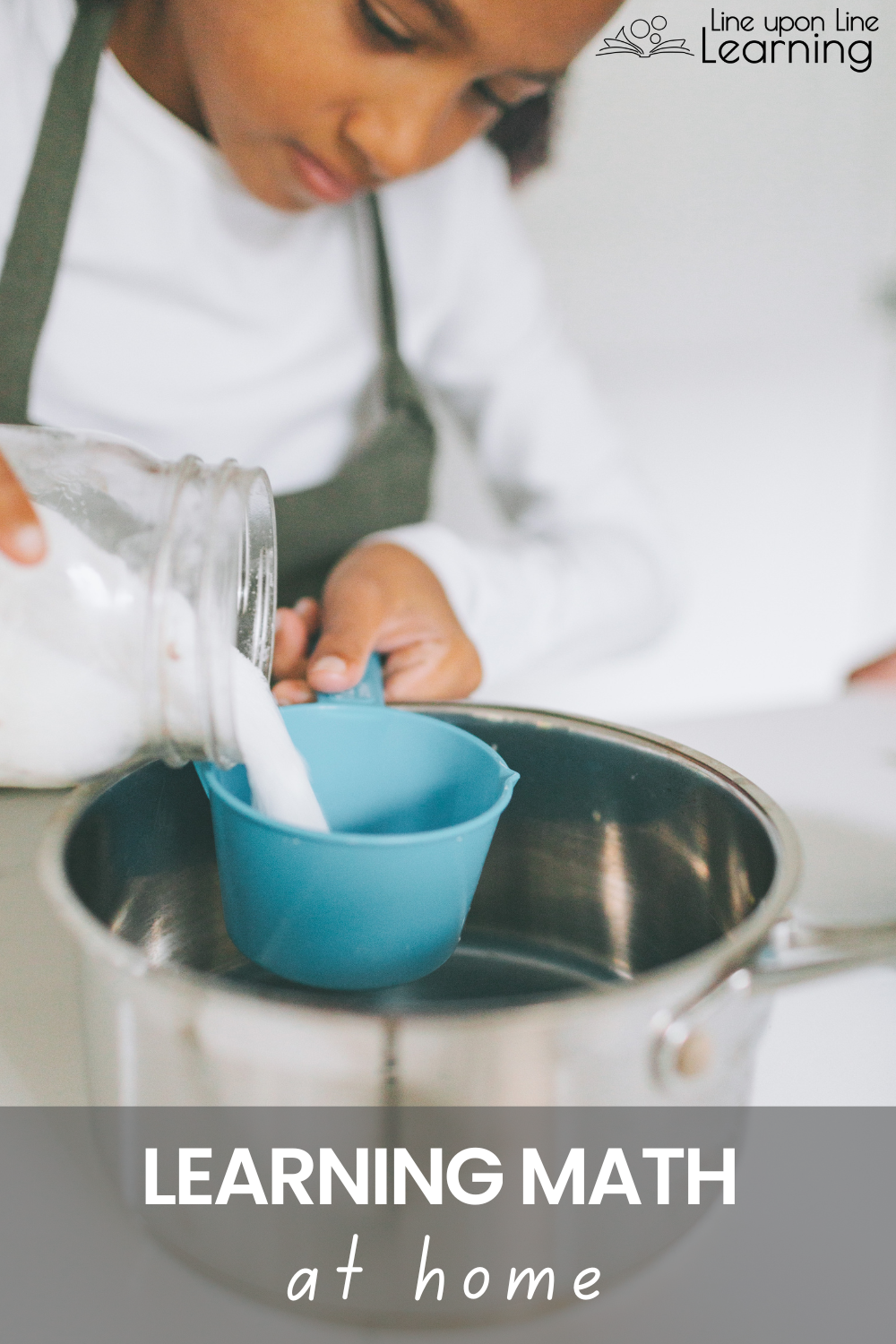

Math is an essential skill that will be used for your child’s entire life. There is no escaping it. Without math, your child would struggle with necessities and basic skills, such as bake cookies, balance a budget, and divide medicine dosages correctly. Here are a few things parents can do at home to help your child’s math skills soar.
Learning Math When Shopping
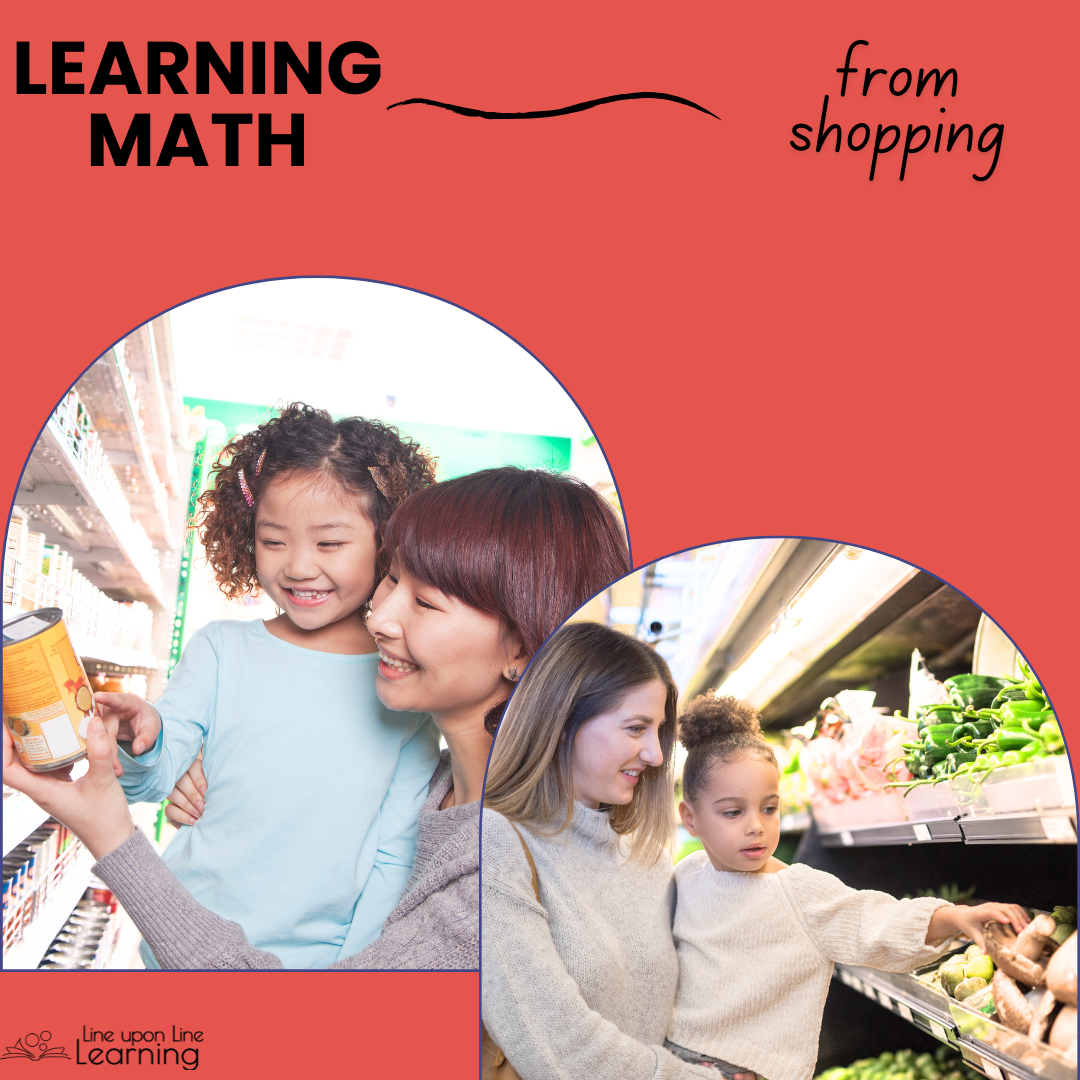
Shopping is perhaps one of the most useful and fun ways to learn math and to put its principles into practice. Young children can practice counting and sorting. They learn about weight from scales. They can help count money or recognize prices.
Older children can use shopping time to learn thrift. As you visit stores with your children them to note the price on specific items, and then to decide which items are the best deals. Most importantly, you can help your children be careful to note the price per unit. For example, when different brands are different sizes and prices, shoppers must compare the prices using price per each unit of weight rather than directly comparing the prices. Sometimes stores even provide a unit by weight detail on the shelf tag. Teach your children to notice these details to be a more rounded and educated member of society.
Learning Math through Family Budgeting
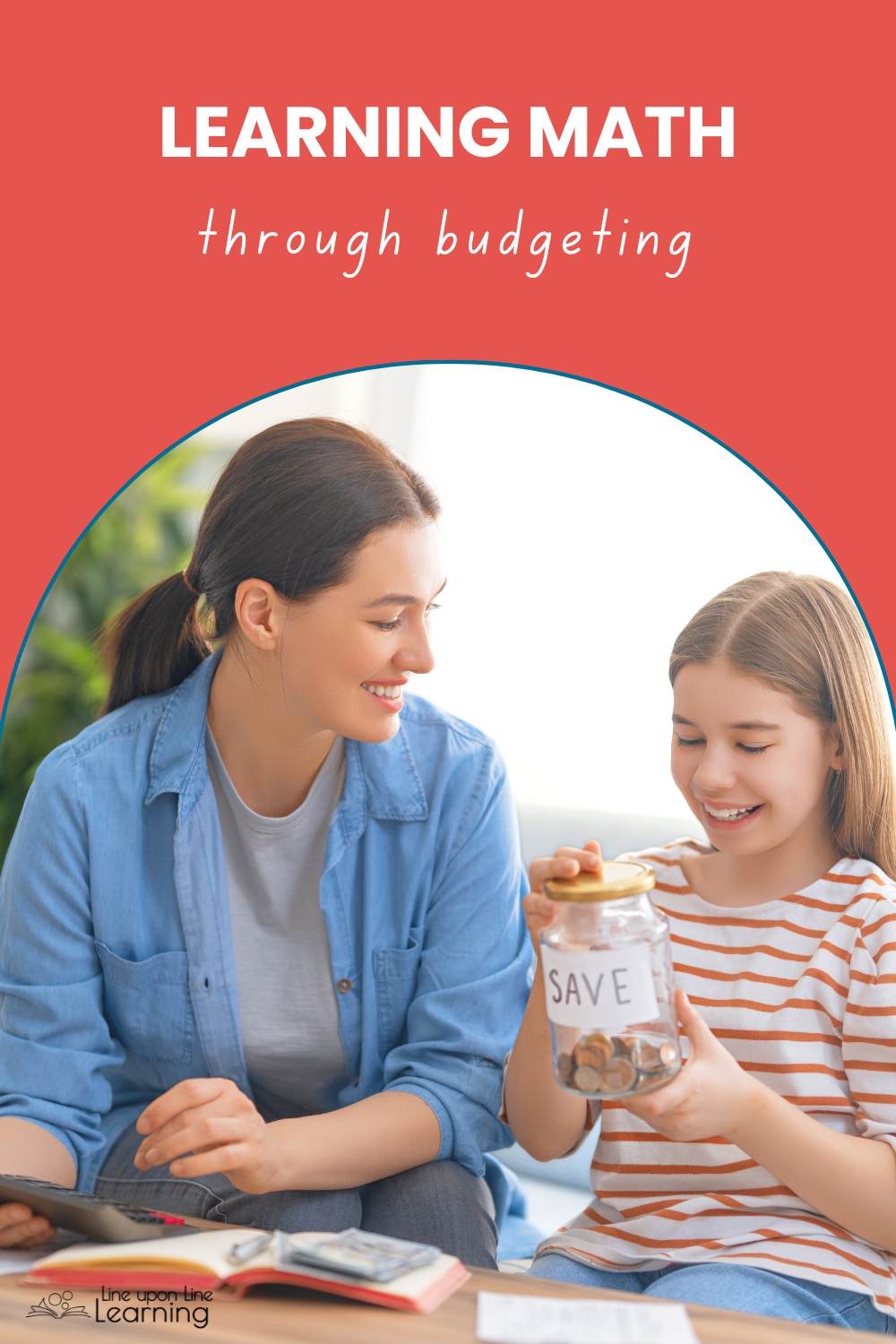
Include your child in the conversation when you are talking about family budgeting. Talk about money being earned versus money being spent. Discuss ways to save money, and figure out solutions for budgeting issues.
The more you include your child in the topic, the more involved they will feel in your family’s success. This brings a sense of responsibility and will make them think twice before asking for money for frivolous things.
It also gives them a great sense of budgeting. Budgeting provides endless access to subtraction and addition practice, as well as the opportunity to learn the importance of always double checking your final answer.
Cooking and Baking
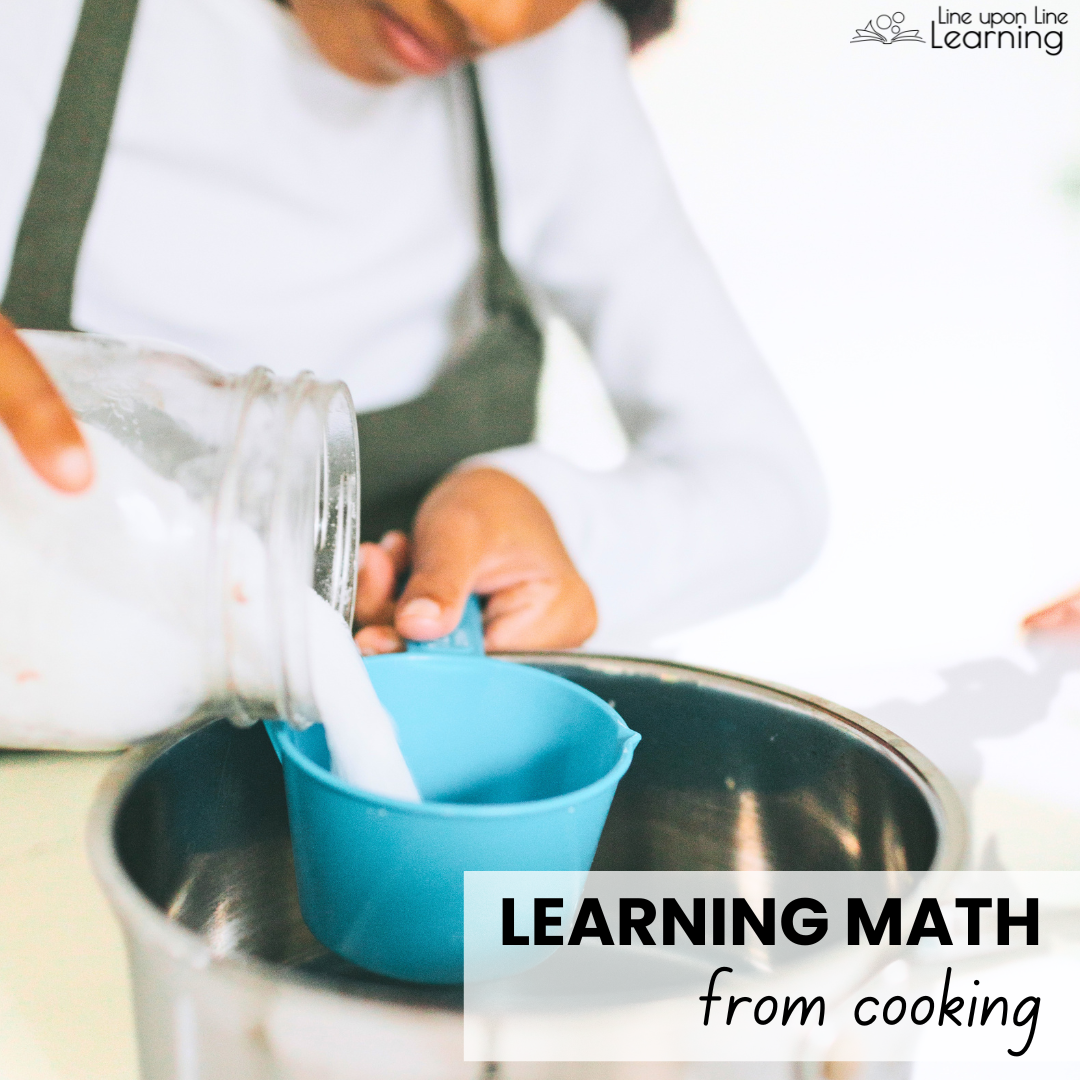
When your child is learning about fractions, look no further than cooking and baking for the practice they need to make the concepts become concrete in their minds. Play around with recipes. Do the full recipe, then do only half of another recipe, and double yet another.
If you run out of measuring spoons and cups in the proper size, talk about how you can substitute another one. For example, if your 1/2 cup measuring cup is gone, you can fill up the 1/4 cup measuring cup twice for the same amount.
Dinnertime
Dinnertime is another great way to practice math concepts. The youngest child can practice sorting and counting food. Multiplication can also be practiced on a small scale with easily sorted foods.
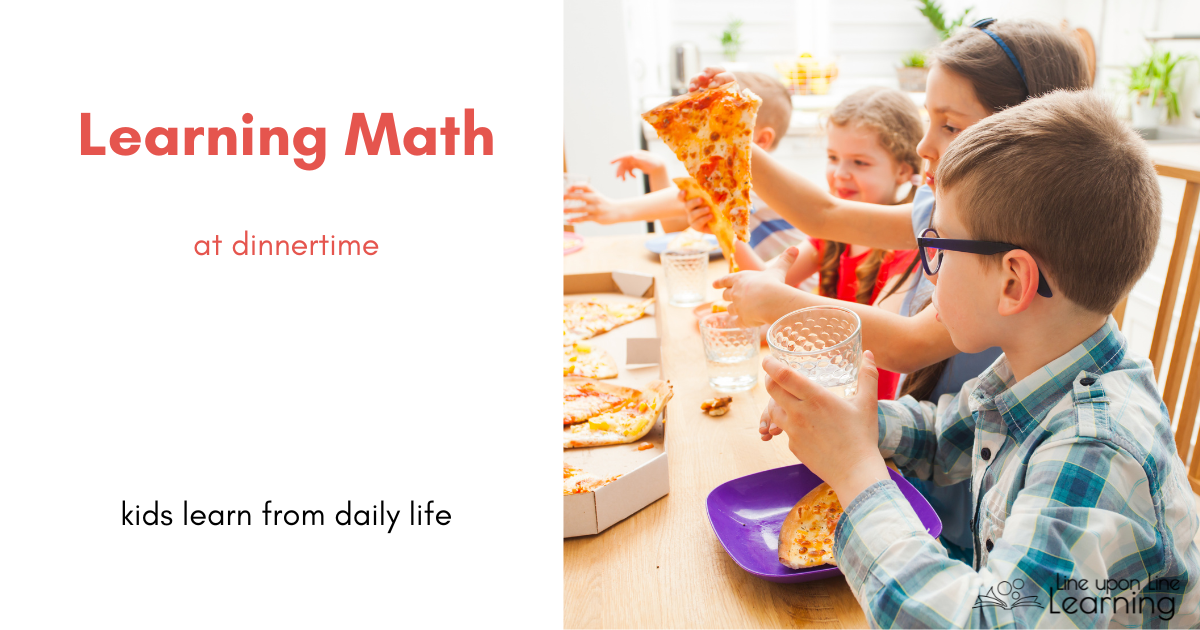
Learning about fractions is also another dinnertime mini math lesson. Bake a pizza, cut it into 8 pieces, and go from there. This is a wonderful time when you can teach your child about the addition and subtraction of fractions. You can also discuss how different fractions equal the same amount, such as 1/4 being the same amount as 2/8. Dividing fruit such as oranges is another way to learn about fractions.
There are a myriad of ways to encourage the learning of math when you are at home with your child. Pick and choose the ones that you feel your child will respond best to. In a matter of time, you will find your child becoming more confident in math than they ever have been before.